When Great Learning Meets Real-World Access Challenges
Edumento is an AI-powered educational ecosystem designed to make learning more interactive, enjoyable, and effective for children. Through quizzes, games, stories, videos, and engaging digital activities, children can learn in a fun way while parents and teachers track their development in real time.
From the start, Edumento had something strong: a product experience that genuinely worked. Children were engaged. Parents felt included in the learning journey. Teachers had better visibility into progress and participation.
But as the platform expanded across more users, more schools, and more channels, a less visible problem began to affect growth.
The issue was not the product itself. The issue was access.
As Edumento introduced more apps, more learning materials, and more campaigns across physical and digital channels, users were no longer entering the platform through one simple path. They were coming through QR codes, posters, worksheets, mobile devices, app stores, websites, and school materials. What should have felt instant and seamless was starting to feel fragmented.
That friction mattered.
Because in education, every extra step between curiosity and learning can reduce engagement.
The Challenge - Growth Without a Unified Entry Point
As Edumento’s ecosystem matured, the number of learning touchpoints increased significantly. That growth was exciting, but it also introduced operational and user experience challenges.
The platform was no longer just one destination. It had become a connected ecosystem of tools and experiences, including:
- - Mobile apps
- Interactive learning games
- - Parent-facing digital tools
- School resources
- Printed
- learning materials
- QR-based access points and
- Web-based content experiences
-
That expansion created several practical problems.
Users were often directed to the wrong destination depending on the device they were using. A parent on iPhone, a student on Android, and a teacher on desktop might all need different destinations, but campaigns and printed materials could not always account for that clearly.
At the same time, schools and partners were distributing printed QR codes that became difficult to manage over time. Once a static QR code was printed on a poster, worksheet, or classroom material, updating its destination became nearly impossible without redesigning and reprinting.
Marketing and campaign links also became harder to control. Different campaigns used different links, different destinations, and inconsistent structures. This made it difficult not only to manage distribution, but also to understand performance.
Most importantly, Edumento lacked clean visibility into how users were actually entering the ecosystem. There was no simple, unified way to see what worked best, which materials drove engagement, and where access friction was causing drop-off.
The result was a gap between product quality and real-world adoption.
Edumento was not losing attention because the platform lacked value. It was losing opportunities before users even arrived.
The Turning Point - Rethinking How Users Enter the Ecosystem
Instead of patching each issue separately, Edumento chose to solve the problem at the entry layer.
The team stepped back and asked a bigger question:
What if access itself could become smarter?
To support growth across schools, homes, campaigns, and devices, Edumento needed a new structure that could do four things well:
- Create one unified way to access content
- Automatically adapt to the user’s device
- Allow links and QR destinations to be updated over time
- Provide measurable insight into engagement and behavior
That requirement led to the implementation of Openito.
Rather than treating links and QR codes as static assets, Edumento began treating them as intelligent access points.
That shift changed everything.
The Solution - Building a Seamless Access Layer with Openito
Openito was integrated as the smart access layer across Edumento’s campaigns, educational materials, and user journeys.
Instead of managing separate links for separate platforms, Edumento could now manage one flexible and intelligent entry point that connected users to the right destination automatically.
This solution was implemented across several key areas.
Smart Links - One Link, Multiple Possibilities
Before Openito, different users often needed different links depending on their device or destination. That meant more complexity in campaigns, more confusion in schools, and a greater chance of sending users to the wrong place.
With smart links, Edumento replaced that complexity with a single access point.
Each campaign, app, resource, or learning experience could now be shared through one link that intelligently handled the next step for the user.
That meant:
- Fewer mistakes in link sharing
- Less confusion for parents and schools
- Simpler campaign management
- Faster access to learning content
Instead of asking users to choose the right app, store, or version, Edumento could guide them automatically.
The journey became shorter, cleaner, and more intuitive.
Device-Based Redirects - Sending Every User to the Right Destination
One of the most important improvements came from automatic device detection and redirection.
With Openito in place:
- iOS users could be redirected directly to the App Store
- Android users could be redirected directly to Google Play
- Desktop users could be redirected to the correct web experience
This removed one of the biggest hidden barriers in digital education access: decision friction.
Users no longer had to figure out where they needed to go. They simply clicked or scanned, and the system handled the rest.
For families, schools, and children, that meant a smoother entry into the learning journey. For Edumento, it meant fewer lost users and more successful sessions.
Dynamic QR Codes - Smarter Print Materials That Never Go Out of Date
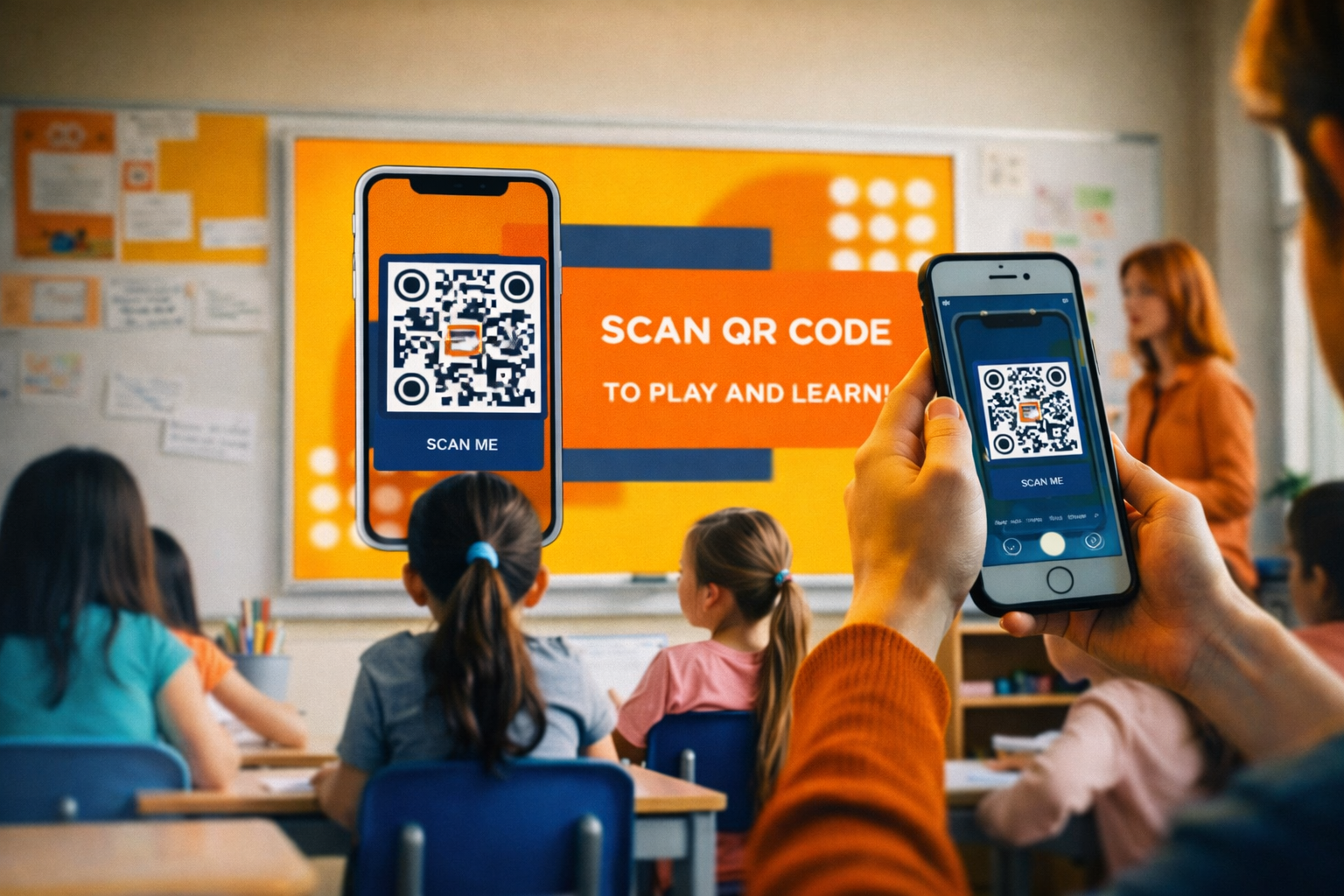
QR codes had already become an important part of Edumento’s educational and marketing strategy. They were being used across printed worksheets, classroom resources, activity materials, posters, and promotional assets.
But static QR codes have a major weakness: once printed, they are fixed.
If a destination changes, a campaign evolves, or a better experience becomes available, the code cannot adapt. That creates waste, limits flexibility, and turns physical materials into outdated assets.
Openito solved this by enabling dynamic QR codes.
With dynamic QR codes, Edumento could keep the printed asset the same while updating the destination behind it whenever needed.
This allowed the team to:
- Keep classroom and campaign materials relevant over time
- Avoid reprinting when a destination changed
- Improve campaigns after launch
- Connect offline materials to evolving digital experiences
This was especially valuable in education, where printed resources often stay in classrooms or homes for long periods.
Instead of becoming obsolete, those materials remained useful and connected.
Real Campaign Application - Scan, Play, Learn
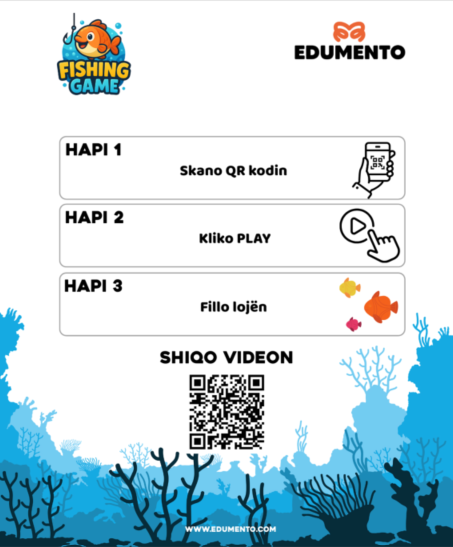
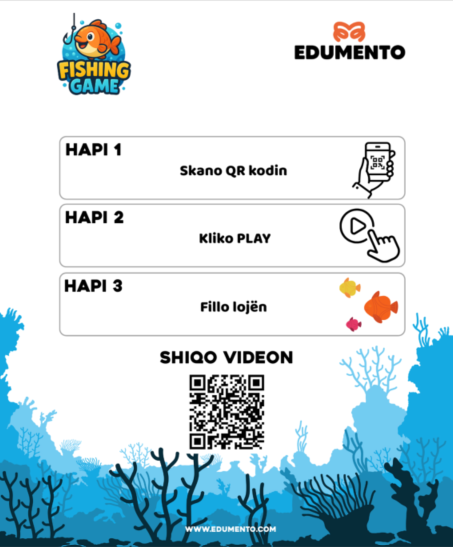
Edumento’s QR campaigns were not theoretical. They were applied directly into real educational materials and child-focused campaign designs.
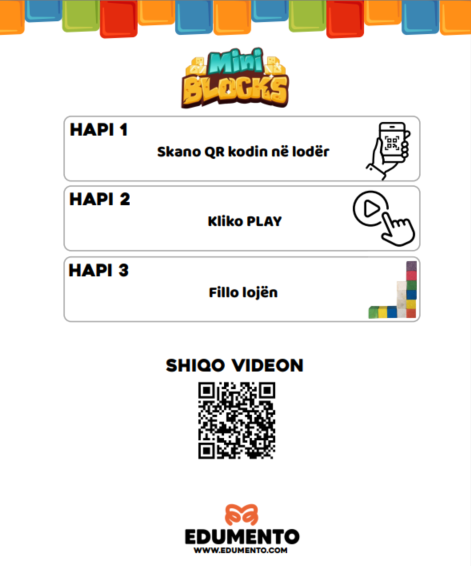
The poster examples clearly show how the new access model worked in practice.
A child or parent could simply:
Scan the QR code - Click play - Start the learning experience
That is exactly the kind of journey Edumento needed: simple, visual, direct, and child-friendly.
The campaign materials also helped bridge the gap between offline and digital learning. A printed worksheet, a classroom poster, or a branded activity card was no longer just a static object. It became an interactive entry point into the Edumento ecosystem.
This created a stronger connection between physical learning environments and digital learning experiences.
For schools, this meant easier rollout.
For parents, it meant simpler access.
For children, it meant less waiting and more learning.
Analytics and Visibility - Turning Access Into Measurable Insight
A major benefit of Openito was not just smoother access, but better understanding.
Before implementation, Edumento had limited visibility into user entry behavior. It was difficult to know which QR codes performed best, which campaigns generated the most response, or how users interacted after entering the platform.
With centralized link management and analytics, Edumento gained a clearer view of:
-
Where users were coming from
- Which touchpoints generated the most engagement
- Which campaigns performed best
- How parents and students responded to specific access methods
This changed decision-making across the business.
Instead of relying on assumptions, Edumento could begin optimizing based on real usage behavior.
That meant better campaign design, stronger distribution strategy, and more confidence in scaling efforts.
The Results - From Access Friction to Measurable Growth
The impact of this shift became visible within a few months.
What began as an effort to reduce access complexity quickly turned into a measurable growth driver across the ecosystem.
1. Overall Engagement Growth
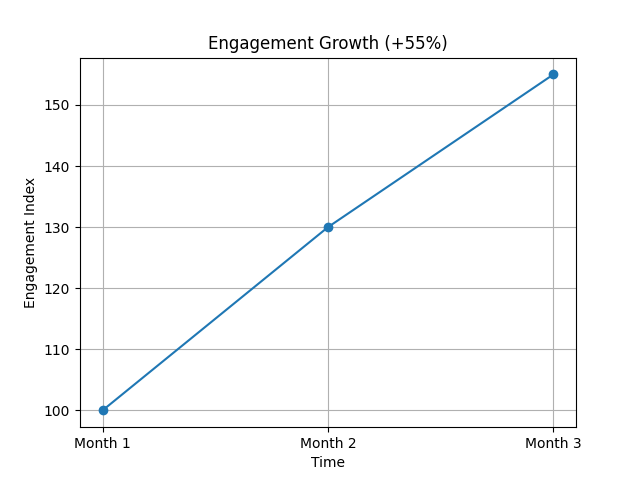
After implementing Openito’s smart access system, Edumento recorded a 55% increase in overall engagement.
This reflected a clear improvement in how easily users could enter and interact with the platform. When access becomes simpler, participation becomes more natural. More scans turned into successful sessions, more clicks turned into real usage, and more campaigns turned into measurable activity.
The increase in engagement showed that the platform’s value had always been strong. What changed was the ease of reaching it.
2. QR Code Performance and App Downloads
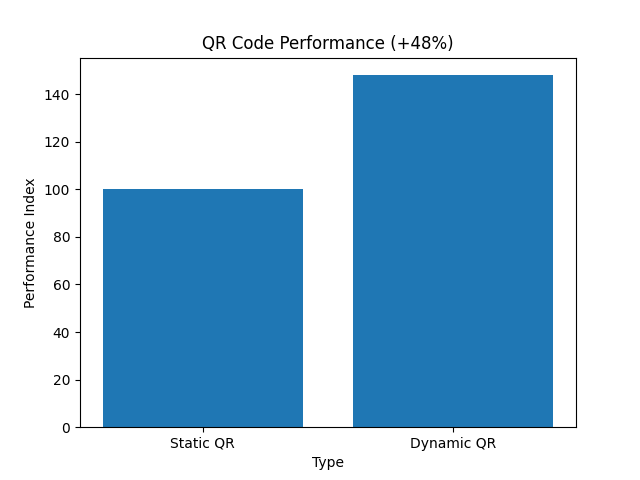
QR-driven access became significantly more effective, contributing to a 48% increase in app downloads and performance through QR campaigns.
This was especially important because QR codes were central to Edumento’s classroom and printed-material strategy. By switching from static, inflexible QR systems to dynamic and trackable ones, Edumento transformed QR codes from passive tools into high-performing acquisition channels.
Instead of acting as simple links, QR codes became optimized gateways into the right app or experience.
3. Parent Interaction Growth
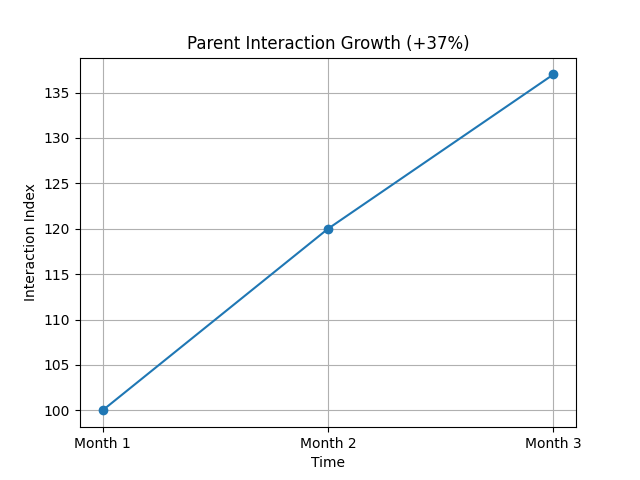
One of the strongest signals came from parent behavior.
Edumento recorded a 37% increase in parent interaction, showing that improved access did not only help children reach games and learning activities. It also made it easier for parents to engage with the platform, follow progress, and become active participants in the learning process.
This matters because parent engagement is one of the strongest indicators of long-term educational consistency. When parents can access the right tools quickly and without confusion, they are more likely to remain involved.
Openito helped reduce the distance between intention and action.
4. Reduction in Access Friction
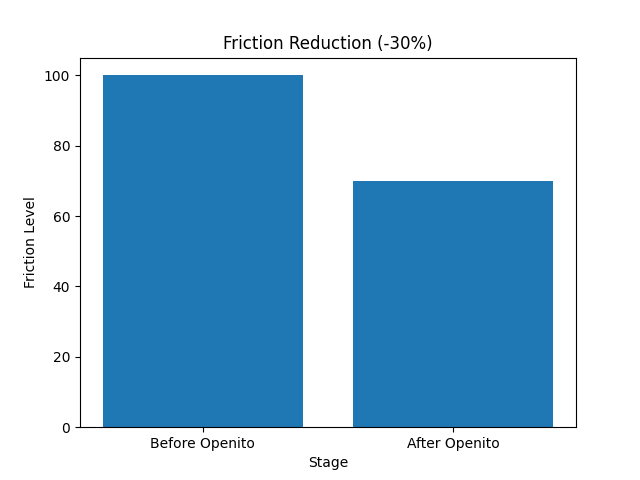
Perhaps the most important structural gain was a 30% reduction in access friction.
This reduction represents more than convenience. It represents fewer broken journeys, fewer misdirected users, fewer outdated materials, and fewer moments where users drop off before they even begin.
In many digital ecosystems, friction hides in small moments: the wrong store page, an outdated link, a poor redirect, too many choices, or too much confusion.
By addressing those hidden blockers, Edumento created a much smoother and more reliable learning entry experience.
The Real Impact - Better Learning Starts Before the Lesson Begins
The biggest transformation was not just visible in charts. It was visible in experience.
With Openito in place, the journey into Edumento became far more natural for every user type.
A student could scan a QR code from a worksheet or school poster and land directly in the correct app, without needing help or additional explanation.
A parent could click one link and immediately access the right environment, whether that meant an app download, a web page, or a progress-related destination.
A teacher could distribute educational materials with more confidence, knowing that students and families would be guided correctly no matter what device they were using.
This removed uncertainty from the learning journey.
What previously required multiple steps, multiple links, or multiple explanations could now happen through one seamless action.
That kind of simplicity is easy to underestimate, but it has a powerful effect. In educational technology, ease of access directly shapes participation. And participation shapes impact.
Why This Mattered Strategically for Edumento
Openito did more than fix a technical issue. It strengthened Edumento’s business and educational model at the same time.
By making entry into the ecosystem easier, Edumento was able to:
- Improve consistency across campaigns
- Increase conversion from physical materials
- Extend the life of printed resources
- Reduce operational inefficiencies
- Strengthen parent and school trust
- Use data to improve future decisions
This is what made the change so valuable.
It was not just a marketing improvement.
It was not just a QR code upgrade.
It was not just a link-management fix.
It was a smarter infrastructure for growth.
Conclusion - Turning Access Into a Competitive Advantage
Edumento’s success did not come from changing what the platform offered. It came from improving how people reached it.
By implementing Openito, Edumento transformed access from a point of friction into a point of strength.
The company built a bridge between:
- Offline and digital learning
- Posters and apps
- Printed materials and live engagement
- Multiple devices and one consistent experience
In doing so, Edumento made learning easier to reach, easier to scale, and easier to measure.
And that is what makes this case study powerful.
The lesson is simple:
When access becomes seamless, engagement grows.
Openito did not just support Edumento’s growth. It helped unlock it.